How Architects Turn Ideas Into Buildings
Category:
ARTICLE
Introduction
Every building you see started as an idea.
A sketch on paper, a conversation about possibilities, or a vision for what a space could become. Yet transforming that idea into a real structure requires much more than creativity. It involves strategy, technical expertise, collaboration, and a clear process.
Whether it’s a private home, a commercial development, or a large urban project, architects guide ideas through multiple stages before they become physical buildings. In this article, we’ll walk through how architects turn concepts into built spaces, from the first conversation to the moment construction is complete.
1. It Starts With Understanding the Idea
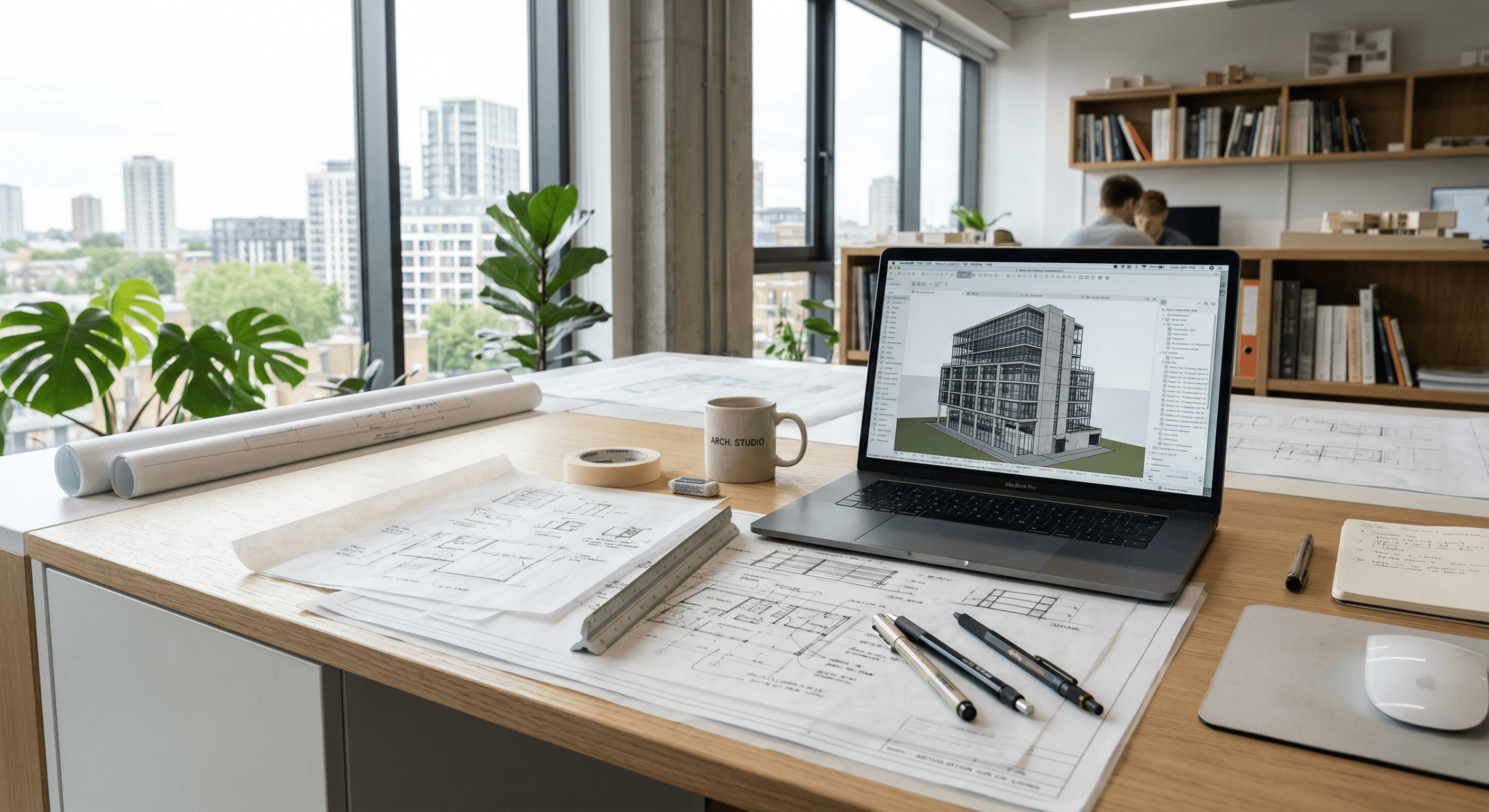
Before any design work begins, architects focus on understanding the client’s vision.
This stage involves asking questions about how the space will be used, what the priorities are, and what constraints exist. Budget, timeline, location, and future growth all influence early design thinking.
At the same time, architects begin analyzing the site. Factors like climate, surroundings, and regulations shape how a project can develop. In cities such as Addis Ababa, zoning rules and urban density can significantly influence early planning decisions.
This phase is less about drawing and more about listening, researching, and defining the problem clearly.
2. Turning Ideas Into Design Concepts
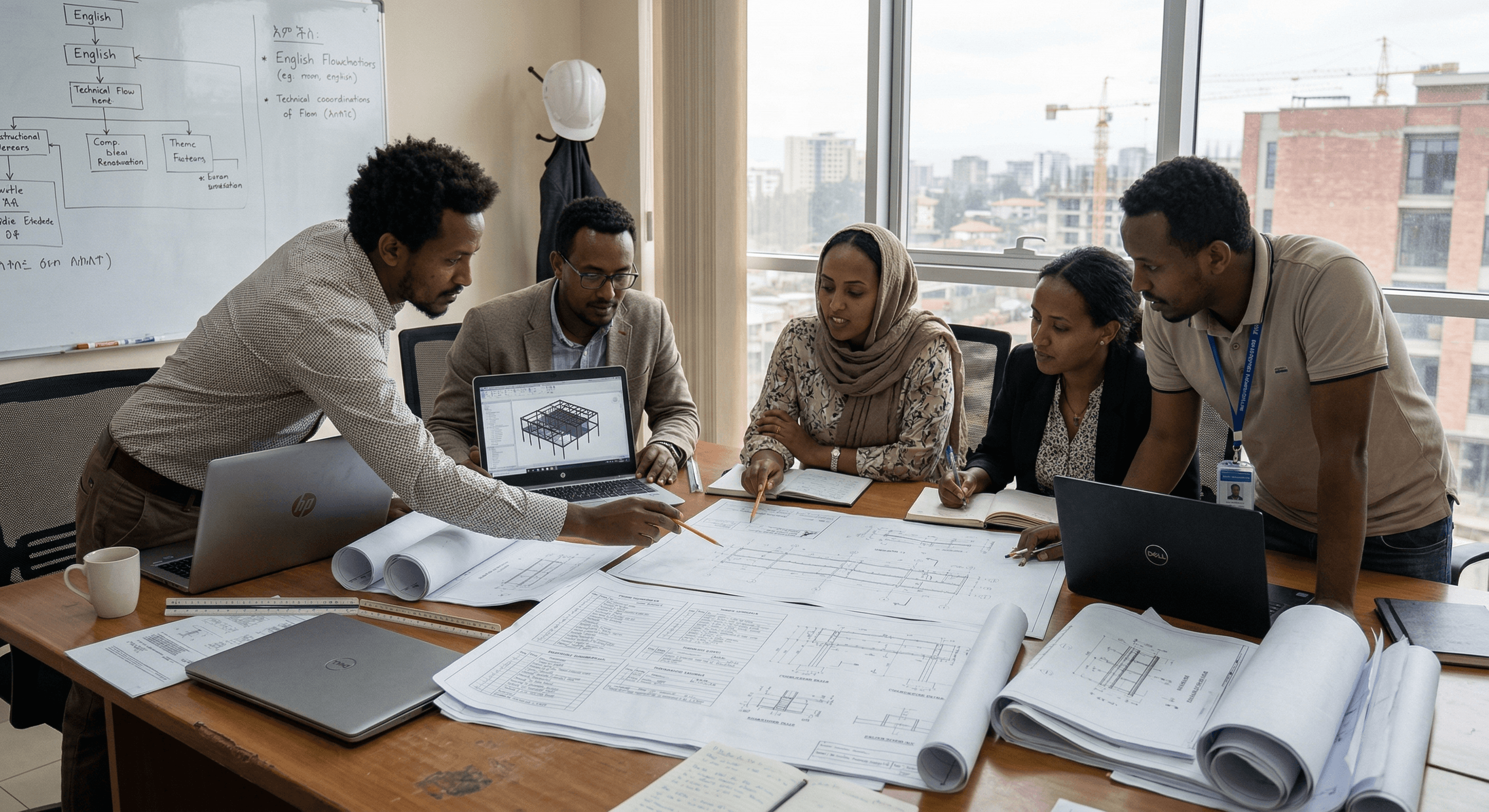
Once the vision is clear, architects begin translating it into design concepts.
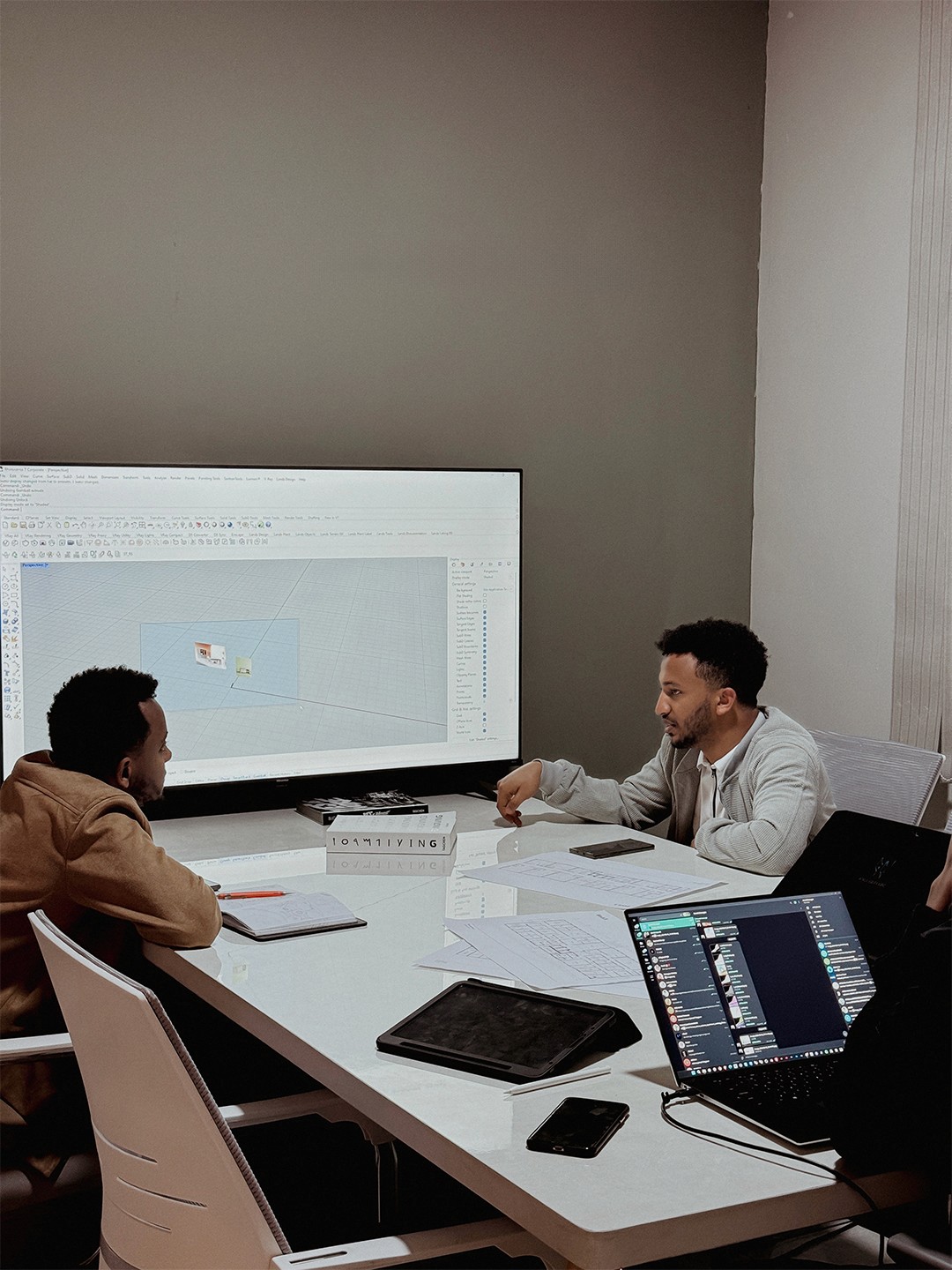
This usually starts with sketches, diagrams, and simple models that explore different possibilities. Architects think about how people will move through the space, how natural light will enter the building, and how the structure interacts with its surroundings.
Today, digital tools such as Building Information Modeling (BIM) help architects visualize and coordinate projects more efficiently. Organizations like Autodesk explain how these technologies allow teams to simulate designs and identify potential issues before construction begins.
At this stage, creativity and practicality must work together. The goal is to produce a design that is both inspiring and realistic to build.
3. Engineering Makes the Design Possible
Architecture is rarely a solo effort.
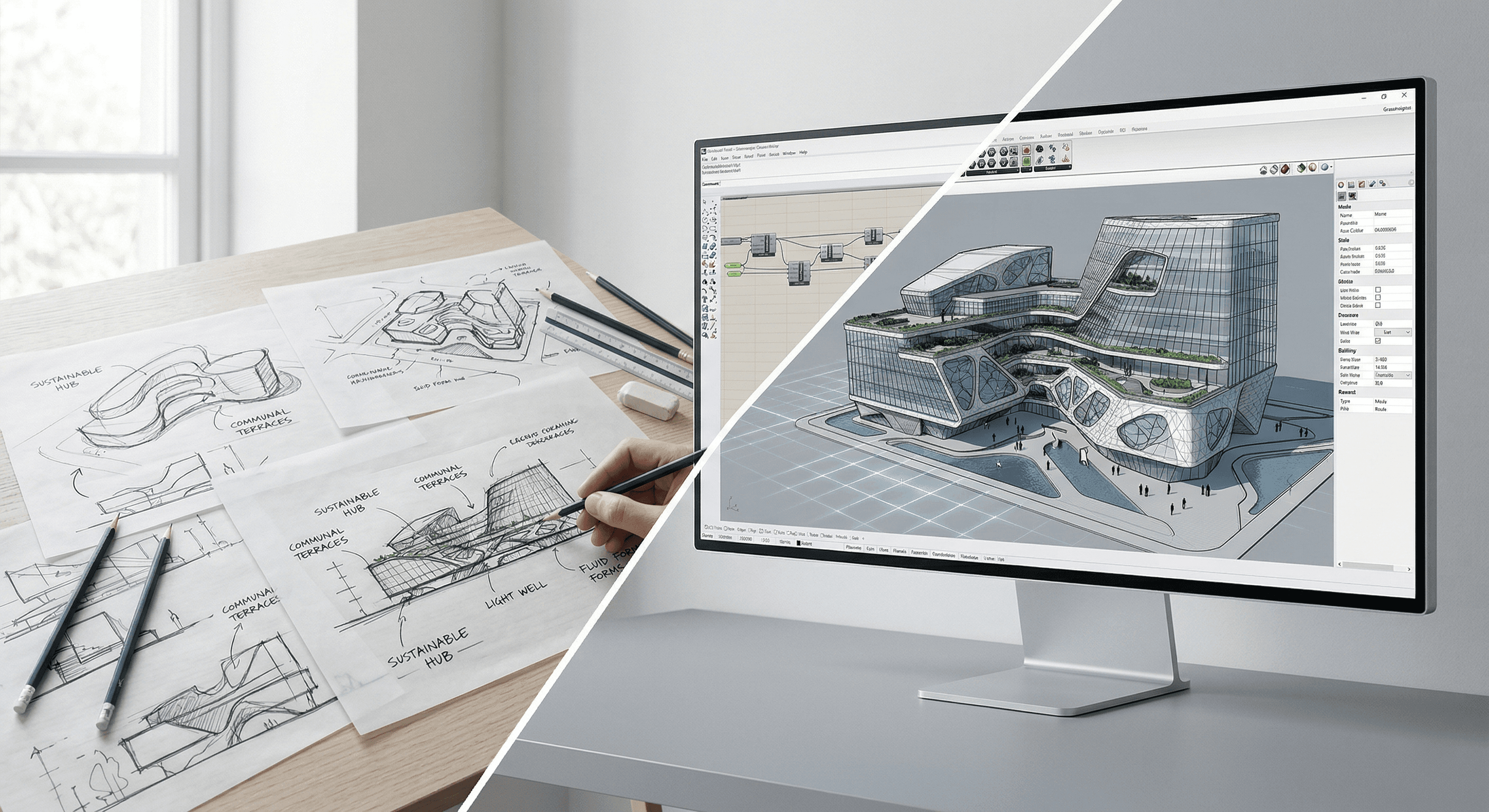
To ensure a building performs safely and efficiently, architects collaborate closely with structural, mechanical, and electrical engineers. Each discipline contributes expertise that supports the design.
For example:
Structural engineers ensure the building can safely support its loads.
Mechanical engineers design ventilation and climate systems.
Electrical engineers develop power and lighting systems.
Professional organizations such as American Institute of Architects emphasize how interdisciplinary collaboration is essential to successful building design.
Without this coordination, even the most beautiful design cannot become a functional building.
4. Navigating Regulations and Approvals
Every building must comply with local regulations before construction can begin.
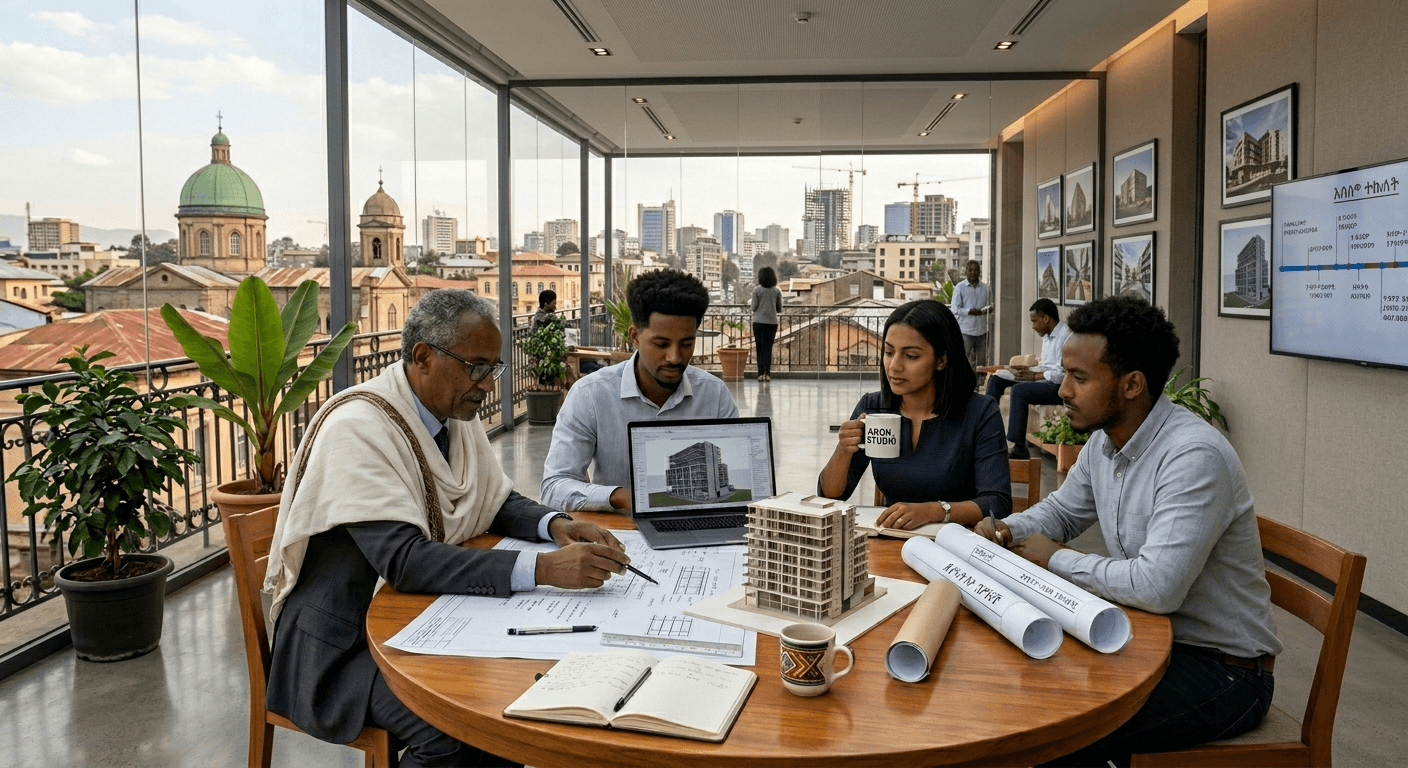
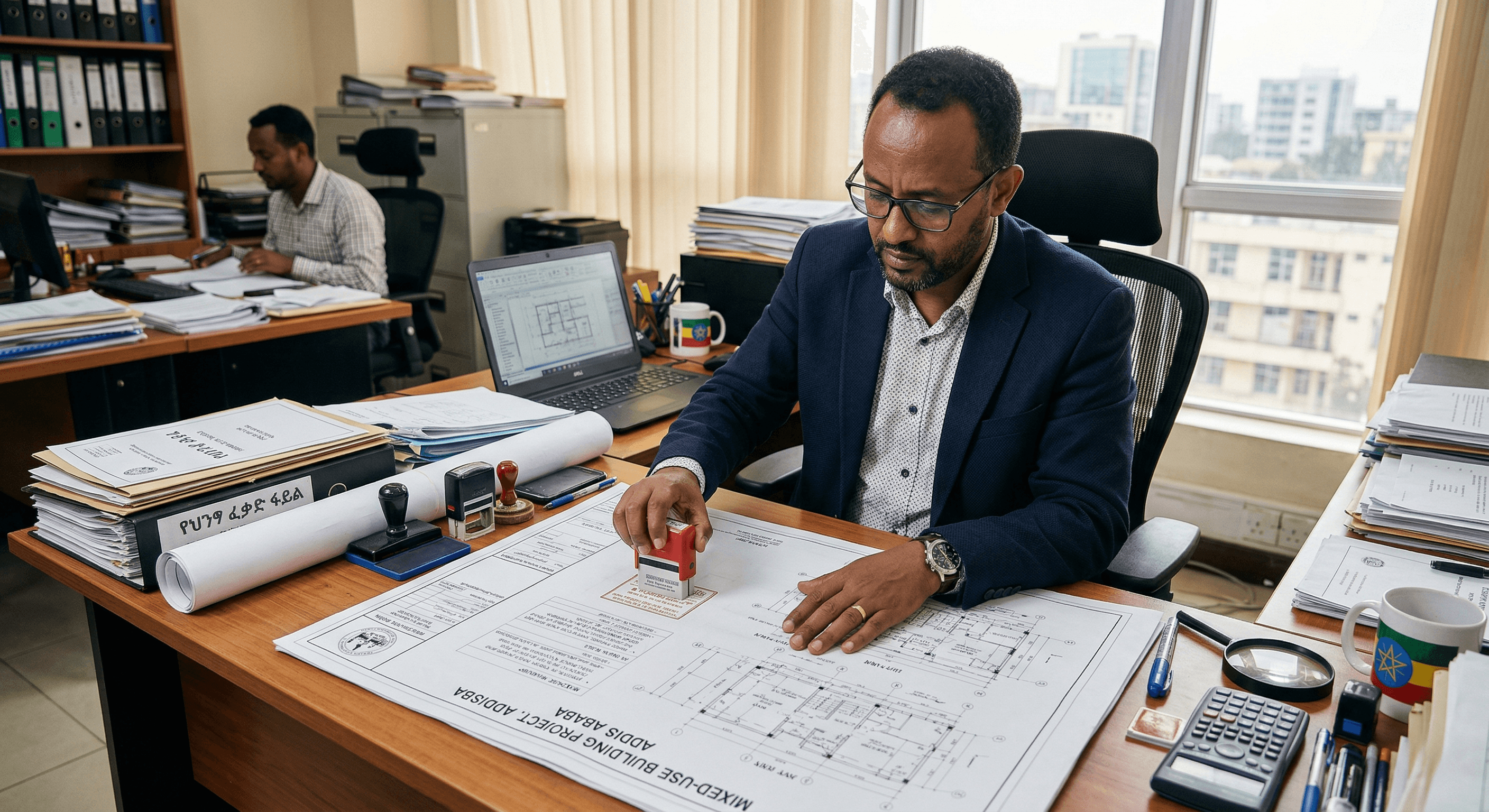
Architects guide clients through this process by preparing permit drawings, ensuring compliance with building codes, and coordinating with local authorities. This step protects safety standards and ensures projects fit within urban planning frameworks.
Depending on the location and project size, approvals may involve multiple stages. Experienced architects help streamline this process so that projects move forward efficiently.
5. Construction Documentation: The Blueprint for Building
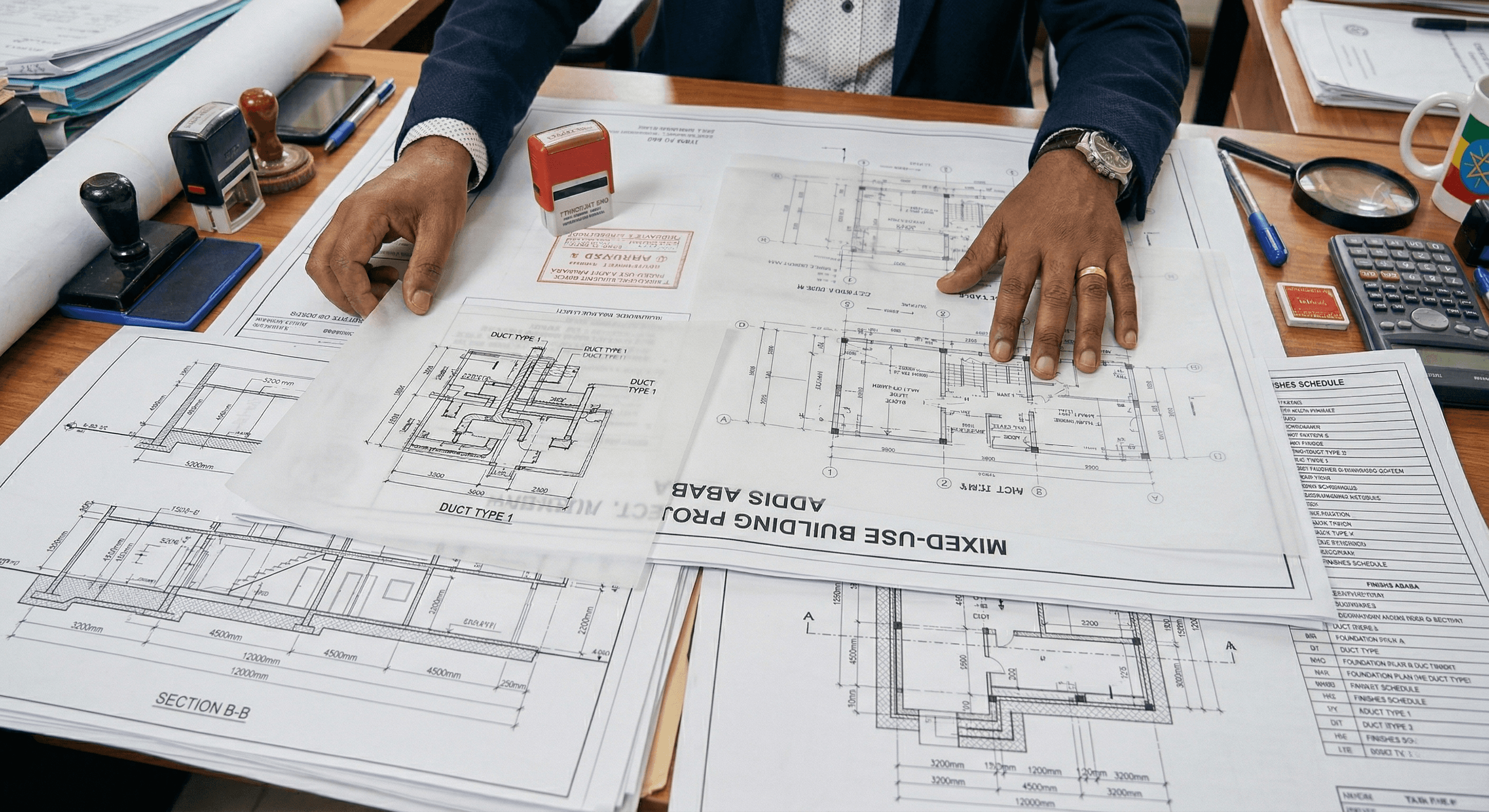
After the design is finalized, architects prepare detailed construction documentation.
These drawings and specifications communicate exactly how the building should be constructed. They include dimensions, materials, structural details, and technical systems.
Contractors rely on these documents to interpret the design correctly and execute the project on site. Clear documentation helps prevent costly misunderstandings during construction.
In many ways, this stage transforms the creative idea into a precise technical roadmap.
6. Bringing the Design to Life During Construction
Construction is where the project becomes real.
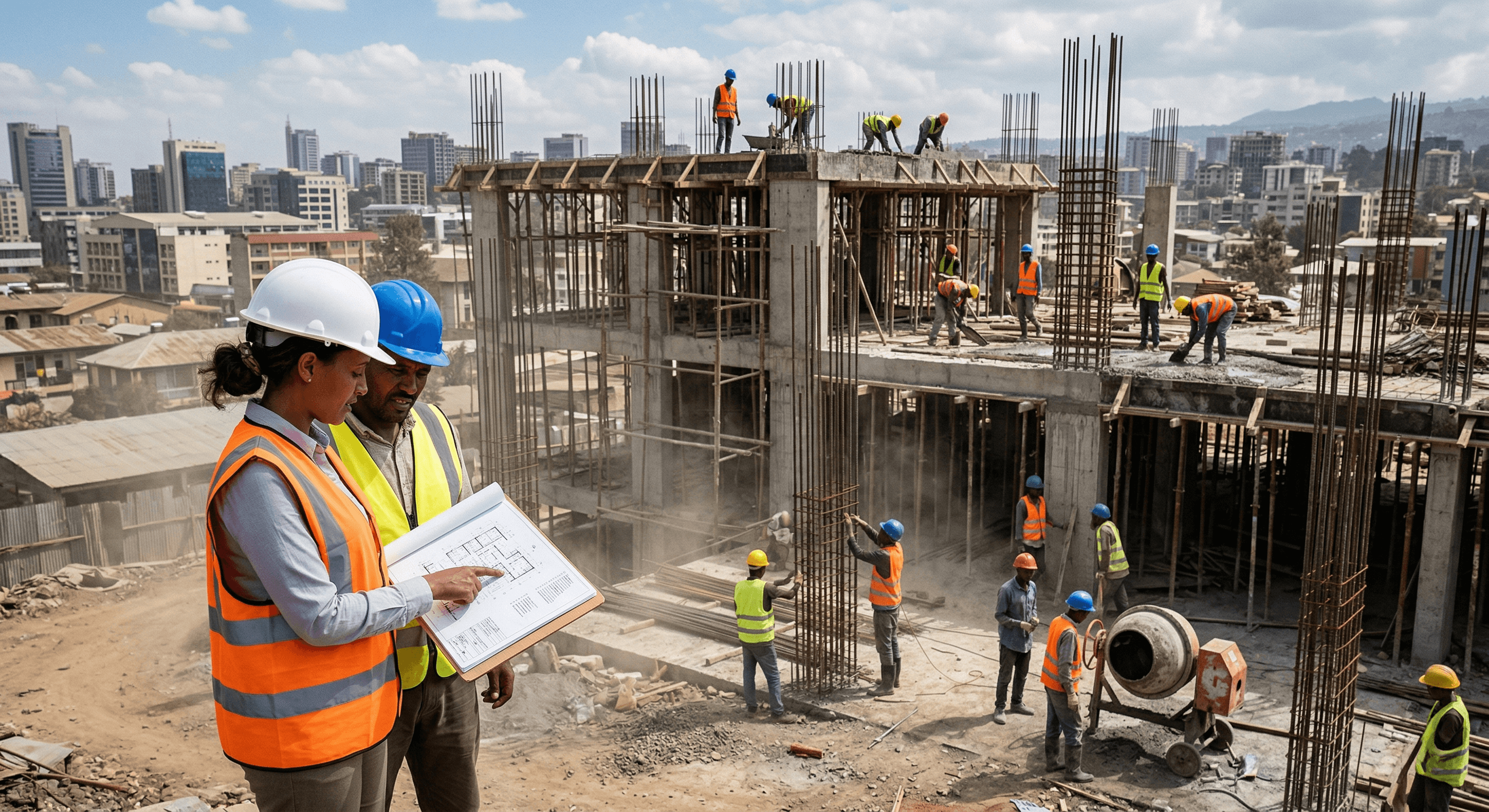
Architects often remain involved throughout this phase, reviewing progress, answering questions from contractors, and ensuring the design is implemented correctly. Site visits help confirm that the building is being constructed according to the plans.
This collaboration between architects, engineers, and contractors ensures that the original concept is preserved while adapting to real-world construction conditions.
Watching a project evolve from drawings into physical space is one of the most rewarding aspects of architecture.
Conclusion
Turning an idea into a building is a complex process that blends creativity, engineering, planning, and collaboration. From understanding the initial vision to coordinating construction on site, architects guide projects through each stage with both technical and design expertise.
Behind every finished building lies a structured journey, one that transforms concepts into spaces where people live, work, and connect.
If you’re considering starting a project, understanding this process can make the experience smoother and more successful.
What stage of the building process interests you the most: the design phase, the technical planning, or seeing the building rise during construction?

Comments